Kathmandu
Kathmandu
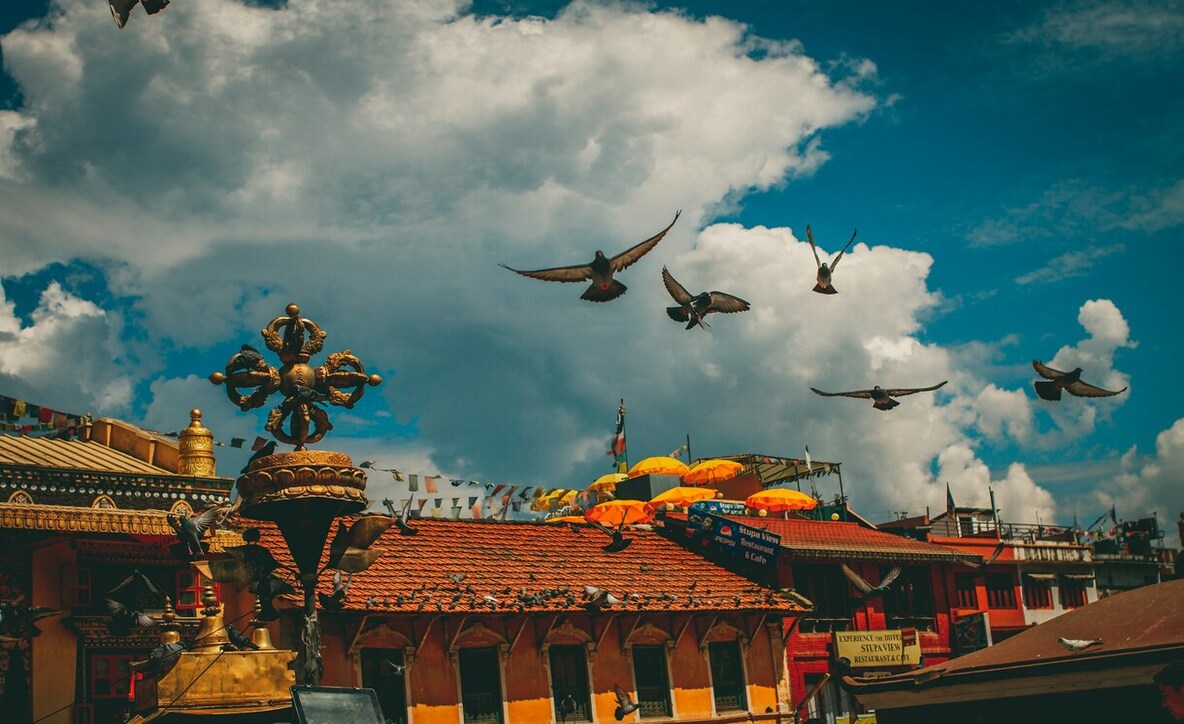
Nestled in the grand Himalayas, Kathmandu, the lively capital of Nepal, showcases a fascinating mix of traditional customs and contemporary charm. This energetic city is a blend of diverse cultures, featuring historical temples next to lively marketplaces and fashionable coffee shops. The tourism scene in Kathmandu flourishes due to its deep-rooted history, highlighted by famous sites such as the UNESCO World Heritage recognized Durbar Square and the revered Swayambhunath Stupa, attracting travelers from all over the world. A travel guide for Kathmandu would lead visitors through the winding streets of the historic area, where the scents of spices combine with the ringing of temple bells, providing a deeply immersive experience in this magical place.
Kathmandu Highlights: -
Here is a categorized guide to the top attractions in Kathmandu, divided into short, digestible groups:
Historical Monuments - Kathmandu Durbar Square, Patan Durbar Square, Narayanhiti Palace Museum.
Natural Wonders - Garden of Dreams, Shivapuri Nagarjun National Park, Chandragiri Hills: Accessible by cable car, it provides sweeping natural panoramas of the Kathmandu Valley alongside distant views of the Himalayan mountain range.
Hidden Gems - Itum Bahal, Amideva Buddha Park, Kumbeshwar Pottery Square (Patan)
Religious Sites - Pashupatinath Temple, Boudhanath Stupa, Swayambhunath Stupa (Monkey Temple)
Places to visit
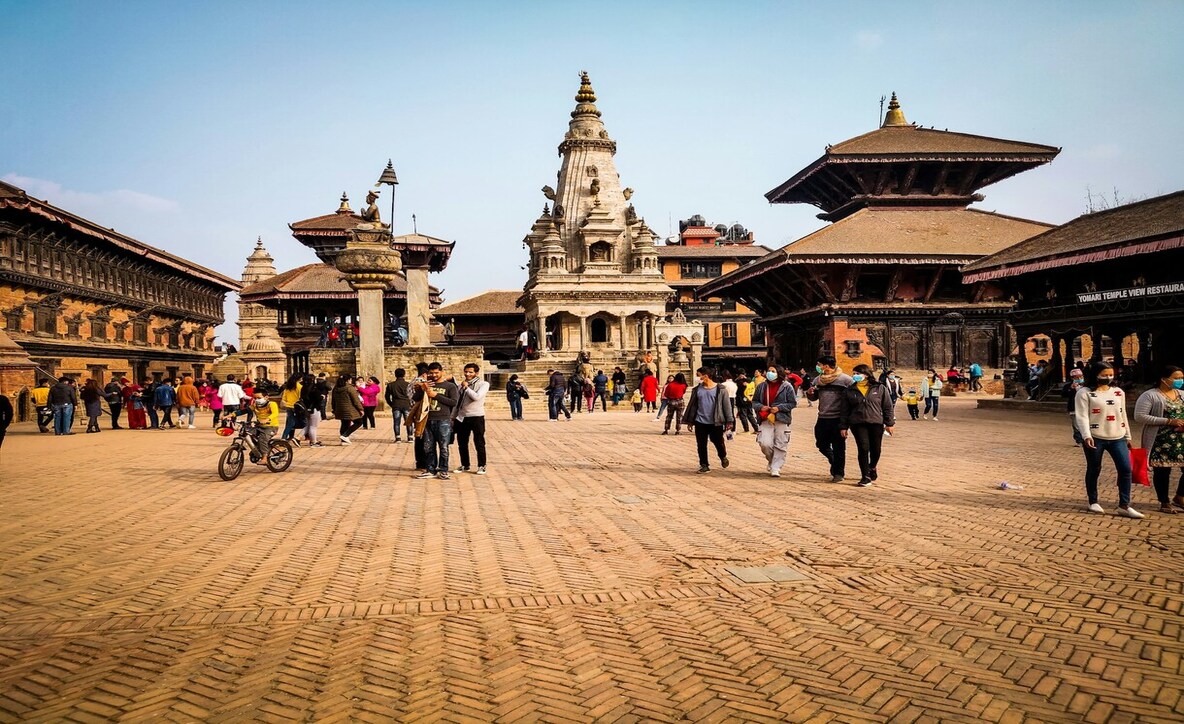
The Durbar Square complex
A site recognized by UNESCO as a World Heritage Location, featuring stunning buildings, historical palaces, shrines, and detailed wooden carvings, offering a view into the deep-rooted history and cultural legacy of Nepal.
Suggestions
• Operating Hours: Open all day
• Discover and learn about the architecture, history, and culture
• Durbar Square may become busy as the day progresses, so think about arriving in the early morning
• Visit the local markets and assist community artisans by buying handcrafted items
Swayambhunath Stupa
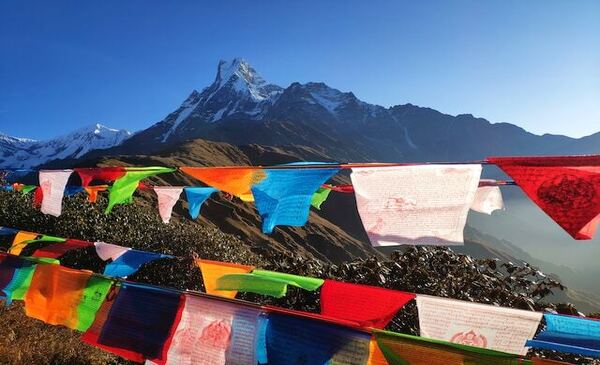
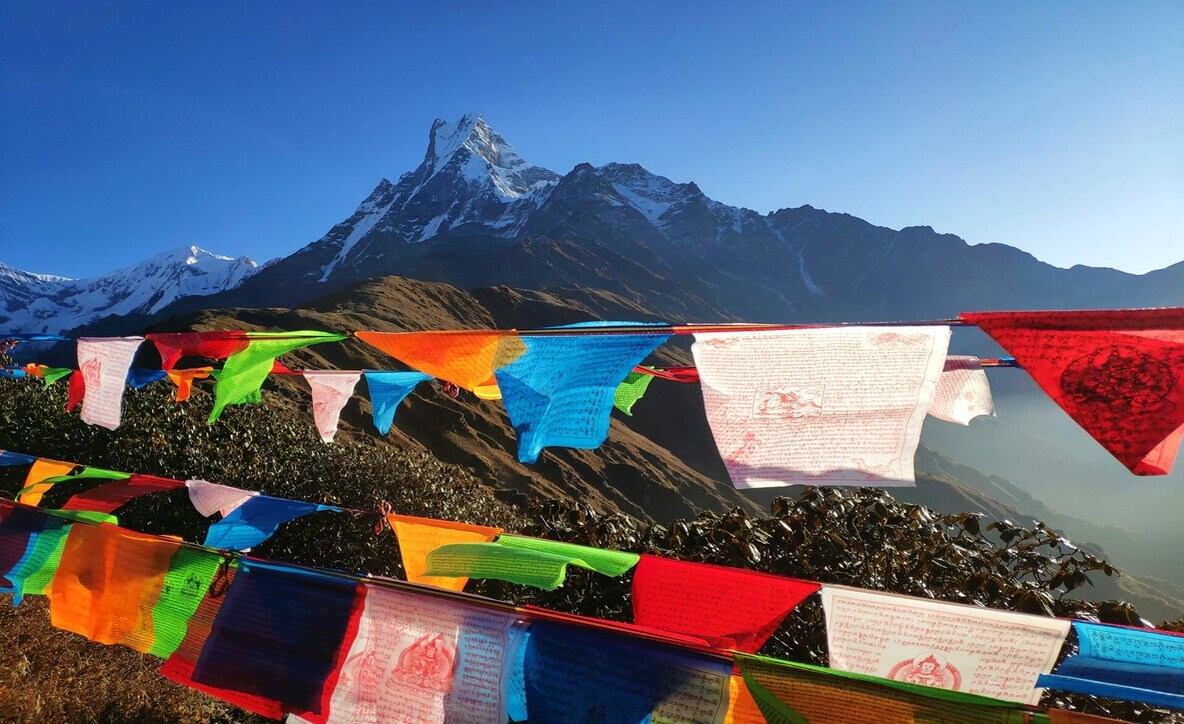
An old Buddhist structure located on a hillside, Swayambhunath Stupa, commonly referred to as the Monkey Temple, provides sweeping vistas of the Kathmandu Valley. It is decorated with vibrant prayer flags.
Suggestions
• Hours: Open all day
• Allocate some time to investigate the nearby region, which features smaller temples, monasteries, and tranquil gardens
• Ascend the steps to attain the summit of the hill for stunning sights of the Kathmandu Valley and the adjacent Himalayas
Thamel District
Kathmandu's lively center is recognized for its active roads, energetic environment, varied boutiques, and wide-ranging food options, providing a spectrum of experiences for visitors to engage with.
Suggestions
• Stroll along the pathways of Thamel, uncovering unique spots like community markets, art spaces, and charming coffee shops
• Savor a dining adventure featuring classic Nepali cuisine
• Enjoy the lively nightlife in Thamel, which keeps the fun going into the morning hours
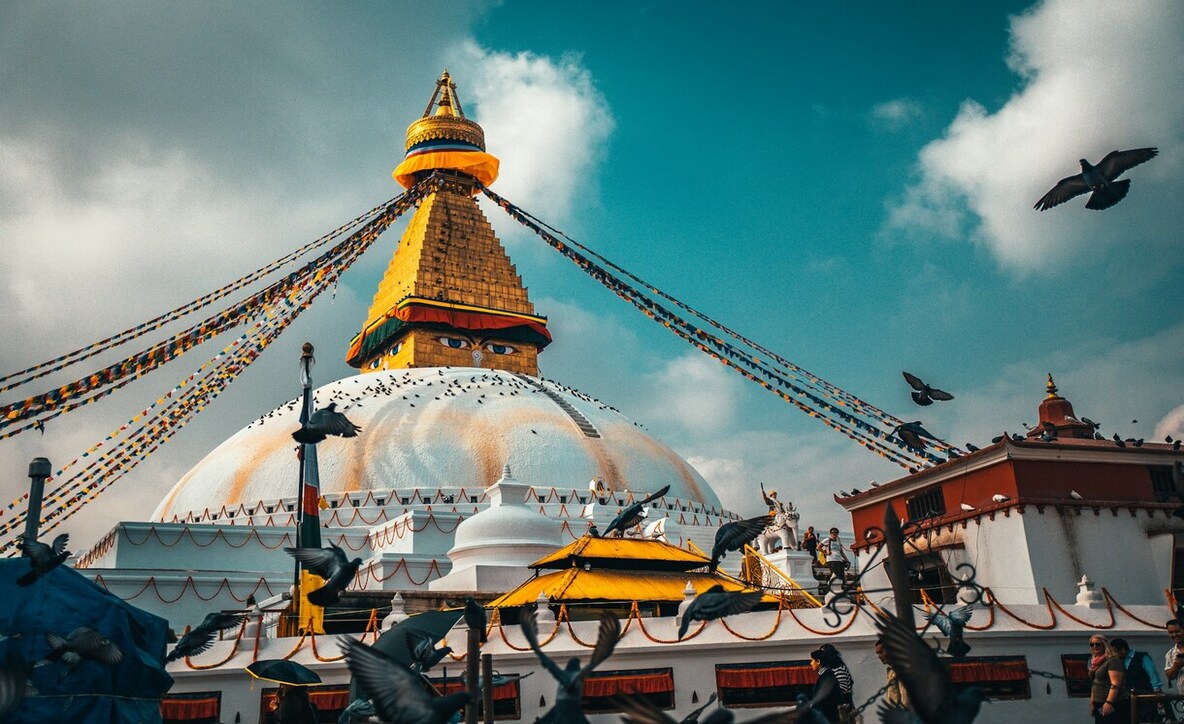
Boudhanath Stupa
Among the most prominent stupas in Nepal, enveloped by monasteries and teeming with visitors and devotees, providing a tranquil environment for contemplation and meditation.
Suggestions
• Hours: Open all day
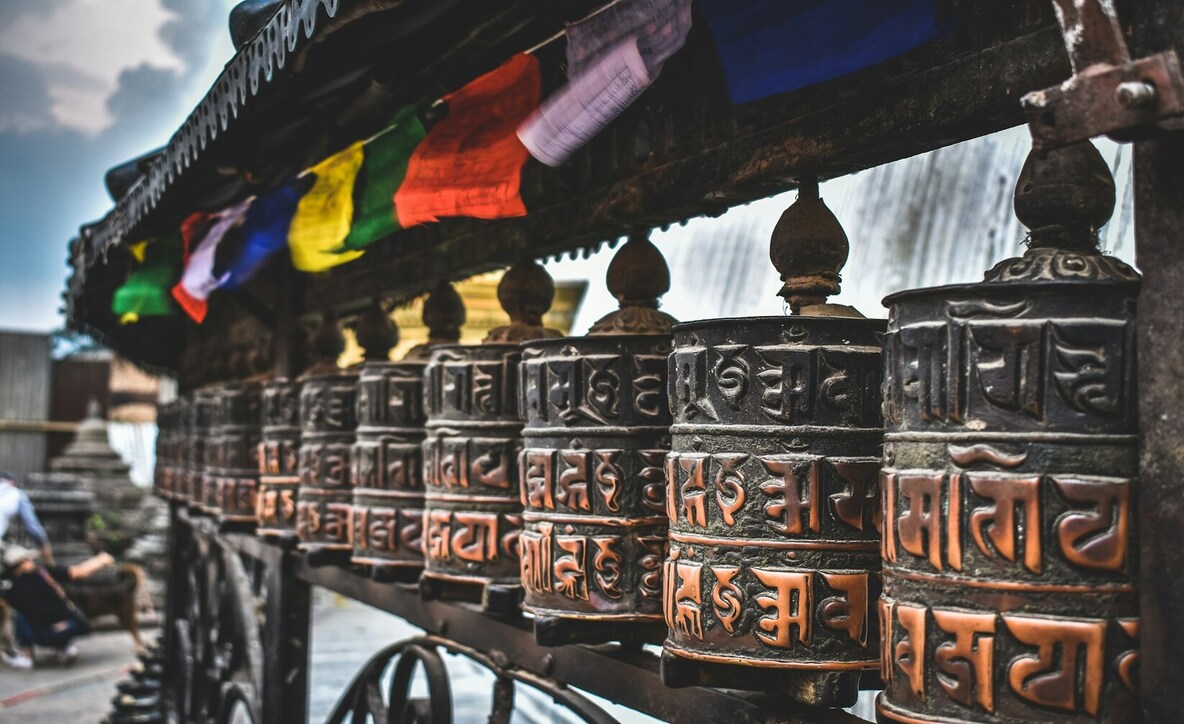
• Ensure to navigate in a clockwise direction around the stupa while turning prayer wheels and reciting prayers or mantras along the way
• Check out a rooftop cafe close to the stupa for sweeping views of the surroundings
• Explore the stores encircling the stupa for authentic Tibetan crafts, prayer flags, and spiritual items.
Kathmandu Travel Guide
Best Time to Visit Kathmandu
The best time to visit Kathmandu is during the autumn season (September to November) and the spring season (March to May).
Autumn (September–November): Widely considered the absolute peak season. Monsoon rains clear up, leaving behind brilliant blue skies, crisp mountain visibility, and comfortable daytime temperatures averaging 20°C to 26°C. It is also the festive season in Nepal, hosting major cultural celebrations like Dashain and Tihar.
Spring (March–May): Characterized by blooming rhododendrons, warm weather, and vibrant green landscapes. Days are dry and clear, making it ideal for sightseeing, heritage walks, and trekking expeditions.
Best Local Dining Names - Bhojan Grih. Thamel House Restaurant, Jimbu Thakali, Yangling Tibetan Restaurant, Thakali Bhanchha Ghar.
Activities in Kathmandu - Explore UNESCO World Heritage Sites, Go Shopping and Cafe Hopping in Thamel, take a Mountain Flight, Indulge in a Food Crawl
How to Reach Kathmandu by Train & Flight
- By Train: There are no direct train tracks running all the way into Kathmandu due to the rugged, mountainous terrain of the region. However, rail travelers can utilize train routes up to the India-Nepal border. You can take an Indian Railways train to Raxaul (Bihar border) or Gorakhpur (Uttar Pradesh border). From either border town, cross over via taxi or local transport to catch regular long-distance tourist buses or private cabs that navigate the highway networks up to Kathmandu. Alternatively, a cross-border rail link operates between Jainagar (India) and Janakpur (Nepal), from where travelers can catch a connecting domestic flight or bus onward to Kat
- By Flight: Flying is the fastest, most direct, and most convenient way to reach Kathmandu. The city is served by Tribhuvan International Airport (KTM), the sole international gateway to Nepal. There are direct, regular flight connections operated by carriers like Air India, IndiGo, and Buddha Air from major Indian hubs such as New Delhi, Kolkata, and Varanasi. International travelers from other global continents frequently connect through major transit hubs like Delhi, Dubai, Doha, or Bangkok.
Most commonly spoken languages
In Kathmandu, the primary language spoken is Nepali, which serves as the official language, along with English and several local dialects like Newari and Maithili.
Shopping
Kathmandu offers an exciting shopping experience featuring Buddha figurines, vibrant masks, Tibetan jewelry, stylish T-shirts, and traditional keepsakes. Collectables like posters depicting Mount Everest and the Annapurna Range are also quite sought after.
Mangal Bazaar: Wander through the stalls at Mangal Bazaar or visit a shop in Thamel to find T-shirts adorned with mandalas, Buddha eyes, or themed options such as ‘Yak Yak Yak,’ ‘Tintin in Tibet,’ and ‘Hard Yak Café. ’
Durbar Marg: If you prefer a more sophisticated style, check out the upscale boutiques on Durbar Marg for Western-style clothing or explore Kathmandu Mall located on New Road.
Bhadgaon and Bhaktapur towns: The towns of Bhadgaon and Bhaktapur are renowned for the Newari black cap known as the Bhadgaule topi, or you might want to buy a traditional Dhaka topi with stripes. Patan, an ancient kingdom in Nepal referred to as the ‘City of Living Art,’ boasts numerous artisans selling artwork, metal crafts, singing bowls, and masks.
Khukri House & Handicrafts: For authentic Nepali curved daggers known as khukris, make your way to Khukri House & Handicrafts in Patan Industrial Estate. Folk Nepal is another shop that specializes in fair-trade crafts.
The Peacock Shop: Visit The Peacock Shop located near the Peacock Window in Bhaktapur to find pottery and terracotta items while you explore Thimi. In tourist areas like Bouddha and Swayambhunath, you can observe locals creating paintings, thangkas, mandalas, and stone sculptures, making it a perfect spot to purchase directly from the artists.
More reasons to visit
Kathmandu presents numerous exciting activities and sites to explore, making it an essential stop for tourists. One of the key motivations to visit Kathmandu is:
Kathmandu Valley: While you navigate the area, having a map of Kathmandu will certainly help you locate various attractions for visitors. The ancient capitals of the Malla confederation scattered throughout the Kathmandu Valley—Kantipur, Kirtipur, Bhaktapur, and Lalitpur, often referred to as Patan—are delightful walled cities featuring durbar squares adorned with pagodas and significant landmarks. In Bhaktapur, you can admire the Lu Dhowka (Golden Gate), the Pachpanna Jhyale Durbar (Palace of Fifty-five Windows), the five-story Nyatapola Temple, Pottery Square, the Peacock Window, and Hanuman Ghat, which houses a collection of lingams, including the largest one in Nepal. Centered in Lalitpur is Patan Durbar Square, which includes Krishna Temple, the Golden Temple (Hiranya Varna Mahavihar), Rato Machhendranath Temple, and the Taleju Bhawani Temple that honors the deity of the Malla dynasty
Visa and Immigration
Nepal ranks among the most desirable destinations for travelers worldwide. Holders of Indian passports aren't required to obtain a visa for entering Nepal. The only necessary documents are an Election Card from the Election Commission and a voter's identity card. Conversely, international visitors must acquire a visa to enter Nepal. Once granted, the tourist visa for Nepal remains valid for six months. The maximum stay allowed with a tourist visa is up to 15 days, 30 days, or 90 days starting from the date of arrival. The allowed duration of your stay in Nepal is determined by the specific type of tourist visa that you request.
Related Packages