Best Time To Visit Kodaikanal
Discover the best time to visit Kodaikanal, Tamil Nadu for for honeymoon, family trip, adventure. Explore pleasant weather, lush valleys, and serene lakes from summer to winter in this beautiful hill station Kodaikanal. The best time to see Kodaikanal Tamilnadu is from October to March, but it's a great tourist spot throughout the year, with each weather conditions offering a different experience. The ideal time for visiting the sights of Kodaikanal in Tamilnadu depends on what you want from your packages.
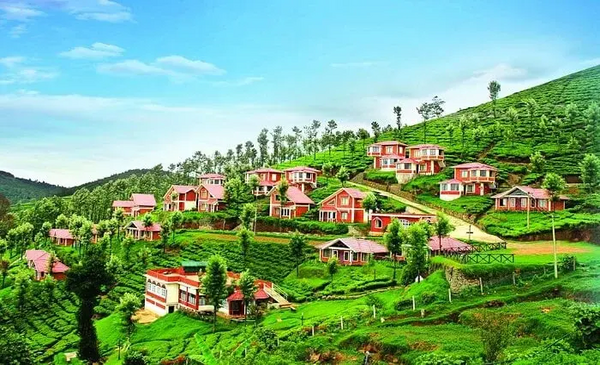
Nestled at an altitude of 2,133 meters in the Palani Hills of Tamil Nadu, Kodaikanal—fondly known as the "Princess of Hill Stations"—is a timeless escape. Whether you are chasing the romantic mist of winter, the vibrant flower shows of summer, or the lush, rain-washed greenery of the monsoons, timing your trip is the secret to a perfect vacation.
In this guide, we break down the best time to visit Kodaikanal based on weather, festivals, and the latest 2026 travel regulations.
What is the best time to visit Kodaikanal, Tamilnadu?
Kodaikanal is tenderly referred to as The princess of mountain stations. And boy, does it take this title gravely! Build up just around a foreign star shaped lake, the area exudes ghostly charm like that of fairy-tales. The perfect time to visit Kodaikanal, Tamilnadu is from October - June, however, the climate remains a bit cool in December and January. Cliffs, valleys, waterfalls and forests, carved out of nature’s nooks and crannies, group together as one. Kodaikanal can be visited during the year, but the perfect time is in the winter among October and March. The summer and monsoon months from April to June and among July and September respectively, also make for a good Kodaikanal Tamilnadu, India tour.
Come sun or rain, the area glitters with sugar and spice! Hence, it is not amazing that populace tour far and broad to participate in its natural splendor. Though, this South Indian mountain station has so much extra to present. From past to tradition and leisure, travelers will find diverse offerings all through the year. So, what is the perfect time to visit Kodaikanal? Well, that depends on your rare requirements, preferences and levels of tolerance. However, we do have few guiding pointers for you.
Let’s start with a breakup of every time, all along with categorization of the busiest periods:
Peak Season – October to March
Shoulder Season – April to June
Low Season – July to September
|
Travel Seasons |
Min/Max Temperature |
Season |
|
April to June |
14-35°C |
Summer - Warm |
|
July to September |
20-28°C |
Monsoon - Moderate rainfall |
|
October to March |
8-25°C |
Winter - Chilly |
Use this guide for best time to visit kodaikanal with your family as a refference.
Kodaikanal Highlights:-
Historical Monuments & Heritage
-
Shenbaganur Museum: Houses a fascinating collection of local artifacts, stuffed birds, and an expansive orchidarium with over 300 species.
-
Kodaikanal Solar Observatory: Established in 1899, it is a historic scientific landmark perched high above the town offering stellar views.
Natural Wonders
-
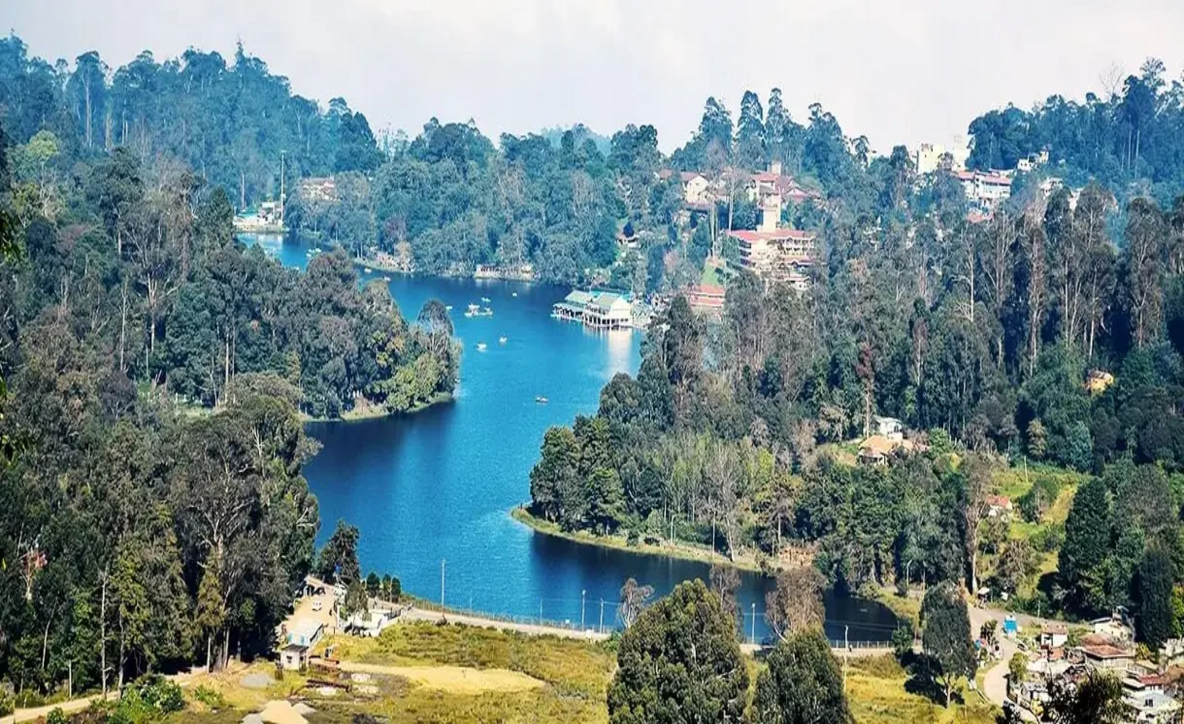
Kodaikanal Lake: A star-shaped, man-made lake at the heart of the town, ideal for serene boat rides and scenic strolls.
-
Coaker's Walk: A paved pedestrian path offering breathtaking panoramic views of the valleys, plains, and the "Vaude" phenomenon.
-
Silver Cascade Falls: A majestic 180-foot waterfall formed by the overflow of Kodaikanal Lake, located right on the main ghat road.
-
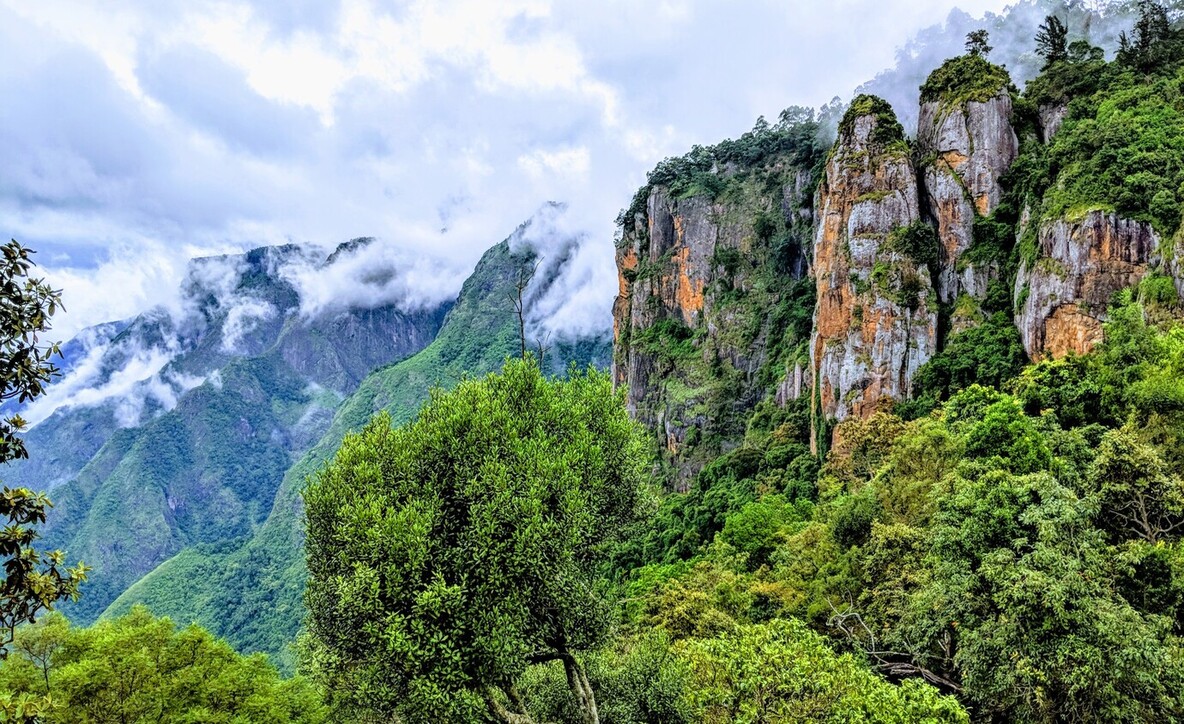
Pillar Rocks: Three giant granite boulders standing vertically shoulder-to-shoulder, measuring about 400 meters high.
Hidden Gems
-
Dolphin’s Nose: A dramatic flat rock jutting out over a precipice, offering secluded and thrilling canyon views.
-
Moir Point: A quieter viewpoint named after Sir Thomas Moir, marking the starting point of the Periyakulam road with stunning gorge views.
-
Silent Valley View: A tranquil, lesser-known spot providing deep, mist-veiled valley vistas away from the heavy crowds.
Religious & Spiritual Sites
-
Kurinji Andavar Temple: Dedicated to Lord Murugan, famous for the rare Kurinji flowers that bloom once every 12 years around the temple grounds.
-
La Salette Shrine: A historic Catholic church dating back to the 19th century, known for its unique blend of Tamil and European architecture.
🛑 MANDATORY FOR 2026: The Kodaikanal E-Pass
Before you pack your bags, note that the Tamil Nadu Government now requires a mandatory E-Pass for all tourist vehicles entering Kodaikanal.
-
Where to apply: epass.tnega.org
-
Pro-Tip: Apply at least 48 hours in advance, especially if you are visiting during the peak summer months (April–June) or long weekends, as there are daily vehicle caps to prevent overcrowding.
Vehicle Caps: Please remember in 2025 - 26, there is a daily limit (approx. 4,000 vehicles on weekdays and 6,000 on weekends).
Eco-Alert: Kodaikanal is a Plastic-Free Zone. Checkpoints at the entry (near Silver Cascade) are very strict. Avoid carrying single-use plastic bottles or bags to avoid heavy fines.
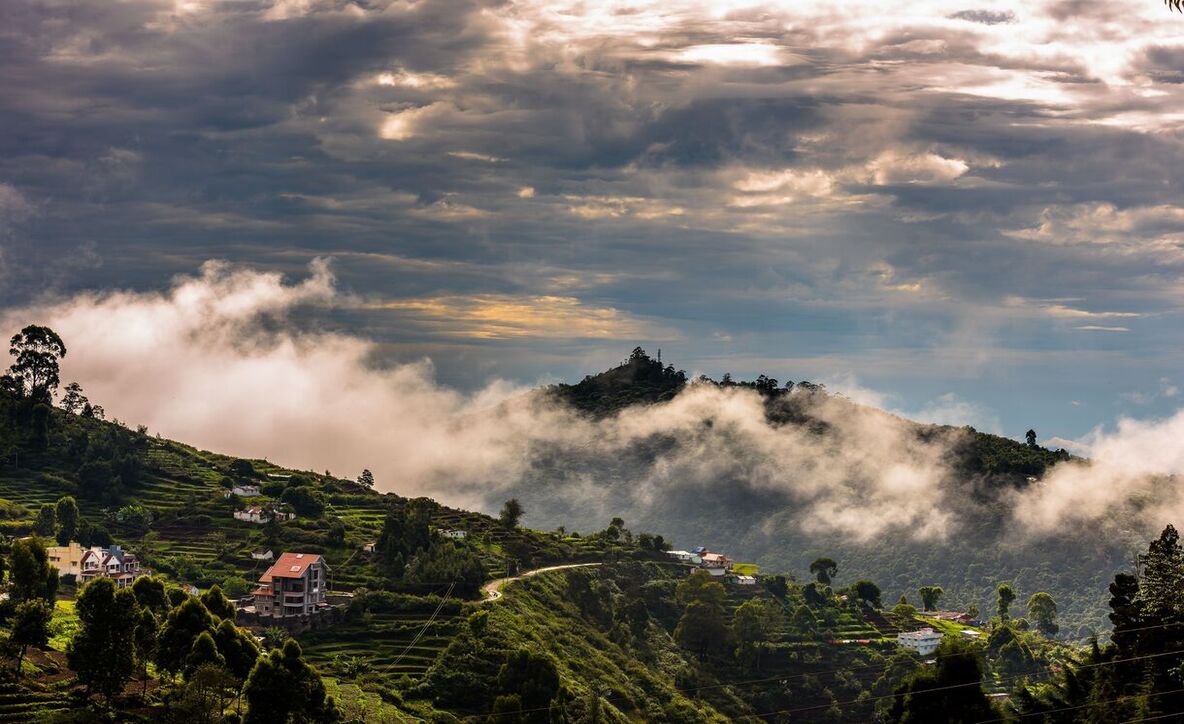
Best time to visit Kodaikanal in summer (April to June)
Kodaikanal Temperature – The air temperature in the season of summer fluctuates among 13°C and 34°C.
Weather – The climate of Kodaikanal in summer is gentle, with special time of hot and cold. Soft blue skies, calming sunshine and always blossoming flower litters the plains. Few may think this to be the best time and season to visit Kodaikanal for honeymoon and family trip.
Significance – This beautiful mountain station blossoms in the summer. Not only do you have the chance to enjoy a plethora of tricks such as boating, cycling and trekking, but you can also find the way nature’s bounty. For example, Kodai Lake, Green Valley View, Thalaiyar Falls, Bear Shola Falls, Dolphin’s Nose and Kurinji Temple.
Why you should visit now – Summer teems with authority and attention, as reflect in its colourful festival. This is a excellent time to immerse you in local Indian culture. The annual Kodaikanal Summer celebration thrives with eclectic offerings such as flower shows, kabaddi tournament, Rangoli competitions and Bharatanatyam performances. It’s something worth witnessing!
Things to know before the visit – As this is mid traveler season and a popular time to tour, lodging and trip costs will be steeper. Ensure to make your bookings well in go forward, so that there are no last-minute hassles. Be wary of the hustle busy that is synonymous with this season. Lastly, take note of the altitude of this location and all that comes with it.
Tips – The summer months, though not great, can get quite warm. Therefore, pack glow yarn clothing to put off stickiness and annoyance of skin. SPF 30+ Sunscreen will help you in prevent tans. Fling in a cap and few sunglasses too! Finally, keep hydrated throughout the day and consume balanced meals.
Visit Kodaikanal in Monsoon (July to September)
Kodaikanal Temperature – The temperature in the season of monsoon fluctuates among 20°C and 28°C, with an average rainfall of 1650 mm.
Weather Conditions – Kodaikanal in monsoon is pleasant, to say the least. The temperature is cold, the ambiance is earthy, and the air is new. The primary showers of rain respire life into the green landscape. This is the perfect weather to visit Kodaikanal, if you’re a nature lover then this is the best time to visit Kodaikanal Tamil nadu.
Significance – From July to September, this royal mountain station glistens with all its may. There is amazing so romantic and artistic just about the raining season. Each sense is sharp as the boundings go from pretty to breathtaking. Take a look at these magic downpour places - Glen Falls, Fairy Falls, Silver Cascade, Kodai Lake and Byrant’s Park.
Why you should visit Kodaikanal now – If you haven’t experience the attraction of mountain monsoons, you’re missing out! Kodaikanal is a tranquil, green universe that sings to the symphony of nature. It offers persons the possibility to calm down, relax and revitalize, amidst the dramatic drizzles and showers.
Things to know before the visit – Monsoon is deemed as low traveler’s season, as the rains can at times make it precarious to be out and just about. In-fact, there is risk of landslide happening in this time. On a lighter note, this is the perfect time to optimize on reasonable prices offered by hotels and tour agencies.
Tips – You not at all know what the monsoon season will bring! As such, carry an umbrella, windcheater and rain proof footwear. Ensure your attire is relaxed and defensive. Protection all electronic gadgets in artificial bags, you don’t want to be apologetic. Don’t forget to relate that every vital mosquito repellent. Finally, live apparent from unhealthful road foodstuff stalls. Over all monsoon season is not a good time for Kodaikanal tour.
Kodaikanal, Tamilinadu in winter (October to March)
Temperature – The air temperature in the season of winter fluctuates among 8°C and 28°C.
Weather – The weather of Kodaikanal in winter can be described as cold and unbelievable. With temperatures irregularly plunging under 8 degrees, the ambiance is the ideal mix of cold and relaxed. One can connect in seeing the sight and discoveration of this beautiful mountain station with easiness.
Significance – Kodaikanal winters will motivate you to live your extremely personal Bollywood dream! The wonderful vision is just breath taking. What’s more? You will be greeted with innocent wisps of fog! at this point are few of the suggested winter location for you to enjoy - Pillar Rocks, Coakers Walk, Devil’s Kitchen, Dolphin’s Nose and the Kodai-Palani Trek.
Why you should visit now – What improved occasion to trip the places of interest, connect in adrenaline pumping exploration sports and flavor tasty delicacy? There is amazing to be said just about snug mug of burning coffee in this climate! Kodaikanal induces the same parts of adrenaline and soothe in the winter.
Things to know before the visit – In winter, travelers flood the gates of Kodaikanal. Being peak traveler’s season, the area witnesses a palpable busyness. Long queues and big crowds at main sight-seeing points are ordinary occurrence. Furthermore, hotels tend to get booked out extremely fast. So, make sure that you plan your tour well in advance to keep away from any hinderances.
Tips – Winters in Kodaikanal vary from enjoyable to very chilly. As such, it is vital to take long sleeved shirts, pants, socks, sweaters and a warm jacket. If you’re someone who is inclined to feeling cold, throw in a scarf and few vests too! It’s forever good to take moisturizer and lip balm in this season.
This dreamy mountain station is awaiting your attendance! If you’ve sure on the perfect time to visit, go throughout Nature Canvas Travel amazing Kodaikanal tour packages.
Recommendations For Individuals visiting Kodaikanal:
-
For Families: May and June are best for the Summer Festival and children's activities.
-
For Couples: November to February offers the most romantic atmosphere and privacy.
-
For Trekkers: September to March provides the best visibility and comfortable temperatures for long hikes.
Essential Packing List for Kodaikanal
-
Summer: Light cotton clothes for the day, a light sweater for the evening, and SPF 30+ sunscreen.
-
Monsoon: A high-quality umbrella or windcheater, waterproof shoes, and mosquito repellent.
-
Winter: Thermals, a heavy jacket, woolen socks, and lip balm (the mountain air can be drying).
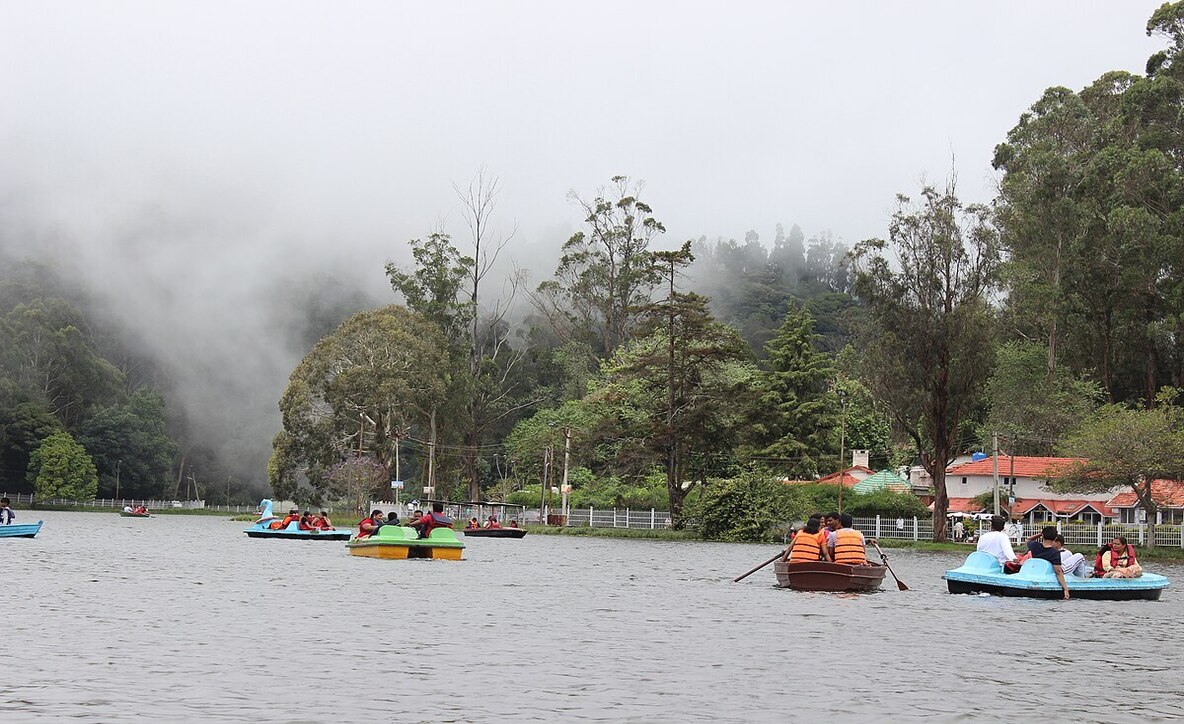
Kodaikanal Travel Guide
Best Local Dining Names
-
Cloud Street: Popular for its warm ambiance, continental dishes, wood-fired pizzas, and baked goods.
-
Tava Restaurant: Known for offering delicious, comforting North Indian and multi-cuisine meals at pocket-friendly prices.
-
Tibetan Brother Restaurant: Highly rated for authentic and flavorful Tibetan and Asian delicacies like momos and thukpa.
-
Anifa Restaurant: A legendary local spot operating for decades, famous for its rich and aromatic South Indian biryanis and non-vegetarian dishes.
-
Manna Cafe: Located near Vattakanal, offering great food alongside stunning valley views.
Nearby Places to Visit in Kodaikanal
-
Kodaikanal Lake: A iconic star-shaped man-made lake right in the heart of the town, ideal for evening strolls and boating.
-
Coaker’s Walk: A one-kilometer paved pedestrian path providing panoramic, sweeping views of the deep green valleys and distant plains.
-
Pine Forest: A mesmerizing stretch of majestic, towering pine trees creating a cinematic atmosphere perfect for nature walks.
-
Pillar Rocks: Three vertical granite boulders standing about 400 feet high, frequently enveloped in dramatic mountain mist.
-
Berijam Lake: A serene, protected freshwater reservoir located deeper inside the forest zone, famous for its tranquil beauty and pristine surroundings.
Activities to Do in Kodaikanal
-
Enjoy boating and cycling around the perimeter of the star-shaped Kodai Lake.
-
Go nature photography and trekking through the dense Pine Forest and Guna Caves.
-
Catch breathtaking sunrise or cloud-formation views from Coaker’s Walk and Dolphin’s Nose.
-
Explore local botanical varieties, exotic flowers, and green houses at Bryant Park.
-
Shop for homemade chocolates, eucalyptus oils, and organic local crafts from the main town markets.
Reach Kodaikanal by Train & Flight
Reaching Kodaikanal requires a combination of air or rail travel followed by a scenic mountain road journey, as the hill station itself does not have its own airport or direct railway station.
By Train:
The nearest major railway station is Kodai Road (KQN), situated about 80 kilometers away from the main town. Alternatively, travelers frequently use Madurai Junction or Dindigul Junction, which are well-connected to major cities across India. From any of these railway stations, you can easily hire pre-paid taxi cabs or board state-run buses to navigate the winding, picturesque uphill roads to reach Kodaikanal.
By Flight:
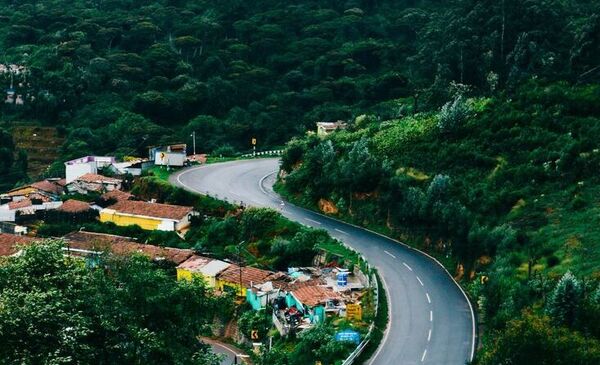
The closest commercial airport is Madurai Airport (IXM), located approximately 120 kilometers away, while Coimbatore International Airport (CJB) is another major option situated roughly 175 kilometers away. Upon landing at either airport, you can hire a private taxi, rent a vehicle, or use local transport options to embark on a beautiful 3-to-4-hour drive up the Ghat roads leading directly into Kodaikanal.
What is the best time to visit kodaikanal with family?
The best time to visit Kodaikanal with family is during the summer months from March to June, when the weather is pleasant and best for outdoor activities and sightseeing.
How to reach Kodaikanal, Tamilnadu?
Kodaikanal is a hill station in Tamil Nadu that does not have airport or railway station. The best way to reach it is by first getting to a nearby major city or transport hub (Madurai is the practically best option) and continuing your journey by road via taxi or bus.
By Air The nearest airport to Kodaikanal is Madurai Airport (IXM), placed 120 km away. Other nearby options include: Coimbatore International Airport (CJB) about 168 km away. and Tiruchirappalli International Airport (TRZ) 195 km away. for more info - How to reach Kodaikanal?
Does Kodaikanal get snowfall?
No, snow is very unique and not an available in Kodaikanal; it is a mountain station with a hot climate that experiences chilly temperature, particularly in winter.
Which is the best month to visit Kodaikanal?
The perfect time to visit Kodaikanal depends on your preference, but normally, the peak season is from March to June for enjoyable climate and outdoor tricks, while September to November offers a cool end to the monsoon with a gorgeous scenery.
What is off season in Kodaikanal?
The off-season in Kodaikanal classically falls in the monsoon months from July to September. As the rains rejuvenate the boundings, serious rainfall may boundary outdoor tricks and tour convenience.
Which month is foggy in Kodaikanal?
Kodaikanal can experience fog, particularly in its cooler, winter months, which take in the months of December to February. While no specific month is solely chosen for fog, the occurrence of hazy or foggy situation increase in this time as temperatures are at their lowly.
What are Kodaikanal peak seasons?
The peak season to visit Kodaikanal is from March to June, as the climate is most favorable in these months. climate: The daylight temperature are enjoyable, ranging from 20°C to 30°C, making it perfect for seeing the sight, outdoor activities, and discover.
Why is Kodaikanal famous for?
Kodaikanal is well-liked as a picturesque "Princess of Hill Stations" for its cool weather, lush green forests, charming lakes, and waterfalls, offering behavior like trekking and boating. It is also known for its rare legal design, the unique Kurinji flower, a star-shaped lake, and local homemade chocolates. Check out this travel guide for a perfect Kodaikanal Tamilnadu trip.
Which is better Kodaikanal or Munnar?
Munnar is improved for tea agricultural estate landscapes, plentiful wildlife, and cool, foggy situation, as Kodaikanal in Tamilnadu is perfect for serene lakes, thick green forests, and a "princess of hill stations" vibe with hazy mounrain. The "best" choice depends on your preference for huge tea gardens and flora & fauna in Munnar versus the calm lakes and forests of Kodaikanal.
Is 2 days enough for Kodaikanal?
Yes, 2 days is sufficient time to enjoy Kodaikanal, particularly for a small tour focused on main attraction like the Kodai Lake, Dolphin's Nose trek, Bryant Park, and Coaker's Walk? The city is compact, and the close to attraction permits for a satisfying experience within a weekend, as long as a mix of nature, relaxation, and some adventure.
What food is special in Kodaikanal?
In Kodaikanal, you can discover a diversity of famous local foods, including customary South Indian dishes like Parotta with Kurma, Dosa, and Uttapam, which are staples in the area. In addition to local food, Kodaikanal is known for its unique products, such as homemade chocolate and cheese, along with various oils and spices. You can also enjoy local area make and specialty baked goods, like those establish at Daily Bread Pastry Corner.
The Perfect 3-Day Mist and Magic Itinerary: Your Nature Canvas Guide to Kodaikanal
Day 1: The Classic Icons & Sunset Walks
Morning: The Floating Star & Bryant Park
Afternoon: Lunch & Coaker's Walk
Evening: The Pine Forest Sunset
Day 2: Viewpoints, Treks & Waterfalls
Morning: The "Guna" Experience & Pillar Rocks
Afternoon: Dolphin’s Nose Trek & Echo Point
Evening: Bear Shola Waterfall Hop
Day 3: Serenity, Villages & Homemade Delights
Morning: The Upper Lake View & Kurinji Andavar Temple
Afternoon: Vattakanal Village & Homemade Treats
Evening: Last Sunset & Check-out
At Nature Canvas Travel, we specialize in crafting unique, customized travel experiences. Whether you want to focus on adventure, romance, or family fun, we can tailor this itinerary just for you.
Contact Nature Canvas Travel today to book your dream Kodaikanal Tour Package and experience the "Princess of Hill Stations" like never before.
Related Packages